

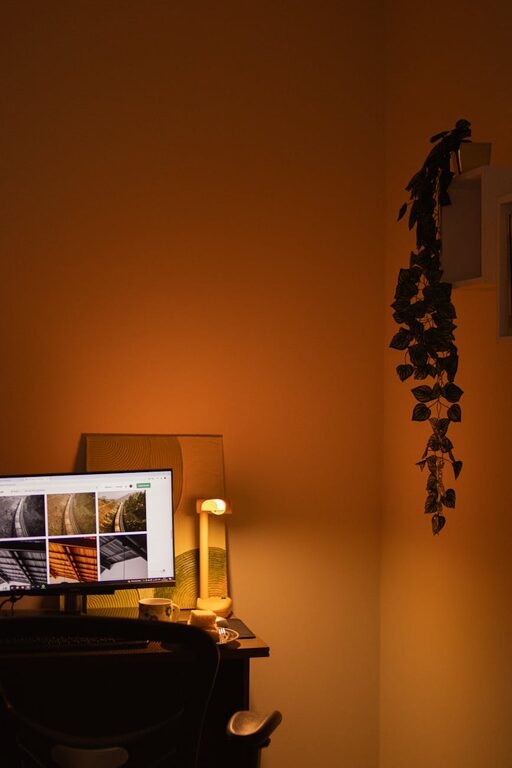
Creating a productive home office space is essential for anyone who works remotely or spends significant time on projects at home. A well-designed workspace can help improve focus, reduce stress, and boost overall efficiency. Whether you have a dedicated room or just a small corner, these tips will help you set up a home office that supports your workflow and wellbeing.
Choose the Right Location
Finding the best place in your home for an office is the first step.
– Quiet and low-traffic area: Select a spot where you can avoid distractions, noise, and interruptions as much as possible.
– Natural light: Working near a window with natural sunlight can improve your mood and energy levels.
– Space considerations: Make sure there is enough room for your desk, chair, and any equipment you need without feeling cramped.
If a dedicated room isn’t available, a corner in a less busy part of your home can still work well.
Invest in Comfortable and Functional Furniture
Your furniture choices directly affect your comfort and productivity.
– Ergonomic chair: A supportive chair reduces back and neck pain during long work hours.
– Desk height: The desk should fit your height so that your arms can rest comfortably at a 90-degree angle while typing.
– Adjustable options: Consider an adjustable desk or standing desk to change positions throughout the day.
Comfortable furniture encourages better posture and reduces fatigue, helping you stay focused longer.
Organize Your Workspace Efficiently
Clutter can cause distractions. Keeping your area tidy enhances concentration.
– Storage solutions: Use shelves, filing cabinets, or baskets to store supplies and paperwork neatly.
– Minimalist approach: Keep only essential items on your desk to avoid a chaotic environment.
– Cable management: Use clips, sleeves, or boxes to keep cords and chargers out of the way.
An organized desk helps you find things quickly and creates a calm atmosphere.
Optimize Lighting
Proper lighting reduces eye strain and fatigue.
– Natural light: Maximize exposure to daylight by placing your desk near windows.
– Task lighting: Use adjustable desk lamps for focused lighting during detailed tasks.
– Avoid glare: Position screens and lights to reduce glare that can cause headaches.
Good lighting supports alertness and comfort throughout your workday.
Personalize Your Space
Adding personal touches can make your office more inviting.
– Decor: Use artwork, plants, or decorative items to create a positive mood.
– Color scheme: Choose colors that boost your energy or calm you, depending on your role.
– Inspiration: Display motivational quotes or photos to keep you motivated.
Personalizing your workspace helps you feel connected and enthusiastic about your work.
Set Clear Boundaries
Working from home can blur the line between personal and professional life.
– Defined work hours: Establish specific times when you will be working to maintain balance.
– Physical separation: Close the door or use a room divider to signal work mode.
– Communicate with household members: Let others know when you should not be disturbed.
Setting boundaries promotes focus and helps maintain healthy work-life balance.
Use Technology Wisely
Technology is vital but can also distract if not managed well.
– Reliable internet connection: Ensure your Wi-Fi is strong and stable for smooth meetings and work.
– Headphones or earbuds: Use noise-canceling options to improve focus when needed.
– Productivity apps: Tools for time management, note-taking, and project tracking can streamline tasks.
Choose technology that supports your workflow and minimizes interruptions.
Maintain Cleanliness and Comfort
A clean and comfortable environment supports productivity.
– Regular cleaning: Dust and tidy your workspace weekly to keep it fresh.
– Temperature control: Keep the room at a comfortable temperature to avoid feeling too hot or cold.
– Air quality: Ventilate the area or consider an air purifier for a healthier workspace.
Comfortable surroundings help keep you energized and reduce stress.
Take Regular Breaks and Move
Productivity isn’t about working nonstop; breaks are essential.
– Follow the 20-20-20 rule: Every 20 minutes, look at something 20 feet away for 20 seconds to rest your eyes.
– Stretch and move: Stand up, stretch, or walk briefly to avoid stiffness.
– Hydrate and snack: Keep water and healthy snacks nearby to maintain energy.
Taking care of your body improves focus and overall productivity.
—
By following these tips, you can create a home office space that enhances your productivity and makes working from home an enjoyable experience. Remember that the best workspace reflects your individual needs and preferences, so feel free to adjust these tips to suit your style. A little effort in planning and organizing can lead to big improvements in your workday and wellbeing.