

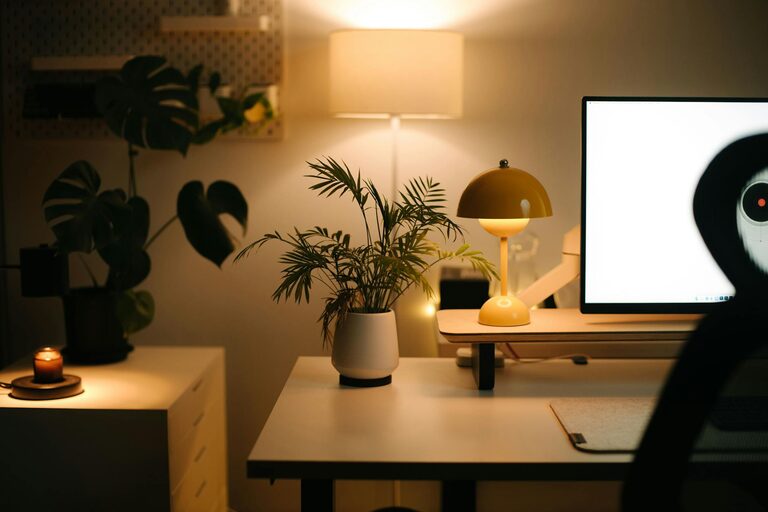
Creating a home office that feels welcoming and encourages productivity is essential, especially as more people work remotely or from flexible locations. Whether you have a dedicated room or just a corner in your living space, it’s possible to design an environment that balances comfort and function. Below, we explore practical tips to help you build a cozy and efficient home office suited to your needs.
Choose the Right Location
Consider Natural Light
Placing your workspace near a window can brighten the room and improve your mood. Natural light reduces eye strain and helps regulate your body clock, which can enhance focus and energy levels throughout the day.
Minimize Distractions
Look for a quiet spot away from high-traffic areas. If your home tends to be noisy, consider soundproofing options like thick curtains, rugs, or even noise-canceling headphones.
Select Comfortable and Functional Furniture
Invest in a Good Chair
A supportive office chair reduces back pain and helps maintain good posture. Look for adjustable features like height, armrests, and lumbar support to customize your seating.
Choose the Right Desk
Pick a desk that fits your available space and work style. If you prefer standing sometimes, consider a sit-stand desk or a converter. Ensure there’s enough surface area for your computer, documents, and any tools you regularly use.
Organize for Efficiency
Use Storage Solutions
Clutter can impact your ability to focus. Use shelves, filing cabinets, or organizers to keep supplies and papers tidy and accessible.
Create Zones
Designate areas for different tasks—such as a desk for computer work, a shelf for reference materials, and a separate spot for creative activities. This helps your brain associate different spaces with specific work modes.
Personalize Your Space
Add Cozy Elements
Incorporate soft textiles like a throw blanket, cushions, or a small rug to add warmth and comfort to your office.
Include Plants
Indoor plants not only freshen the air but also bring life and color to your workspace. They can reduce stress and increase creativity.
Display Inspiring Items
Photos, artwork, or motivational quotes can keep you inspired during your workday. Just be sure not to overcrowd your space.
Pay Attention to Lighting
Layer Your Lighting
Combine ambient lighting with task lights. A desk lamp with adjustable brightness helps you focus on detailed tasks without straining your eyes.
Avoid Glare
Position your screen and lights to minimize reflections and glare, which can cause discomfort.
Set Boundaries for Work-Life Balance
Define Office Hours
Keep consistent work hours to help separate work from personal life. This supports mental well-being and reduces burnout.
Use Visual Cues
When your office is a shared space, signals like a closed door or a desk sign can inform others when you’re focused on work.
Incorporate Technology Wisely
Choose Reliable Equipment
A good internet connection, quality headphones, and a dependable computer setup reduce frustration and interruptions.
Manage Cables Neatly
Use cable organizers or clips to keep cords tidy and avoid a messy workspace.
Maintain Air Quality and Comfort
Ventilate Regularly
Fresh air keeps you alert and reduces indoor pollutants. Open windows if possible or invest in an air purifier.
Control Temperature
A comfortable temperature is key to concentration. Use fans, heaters, or adjustable thermostats to maintain your ideal climate.
Keep It Flexible
Adapt as Needed
Your home office should evolve with your changing work habits. Be open to rearranging furniture, trying new tools, or updating decor to keep the space fresh and functional.
—
Designing a cozy and productive home office doesn’t have to be complicated or expensive. By paying attention to lighting, furniture, organization, and personal touches, you can create a space that supports your best work while making you feel comfortable and inspired. Take small steps today to improve your workspace and enjoy the benefits of working in a place that truly fits your style and needs.