

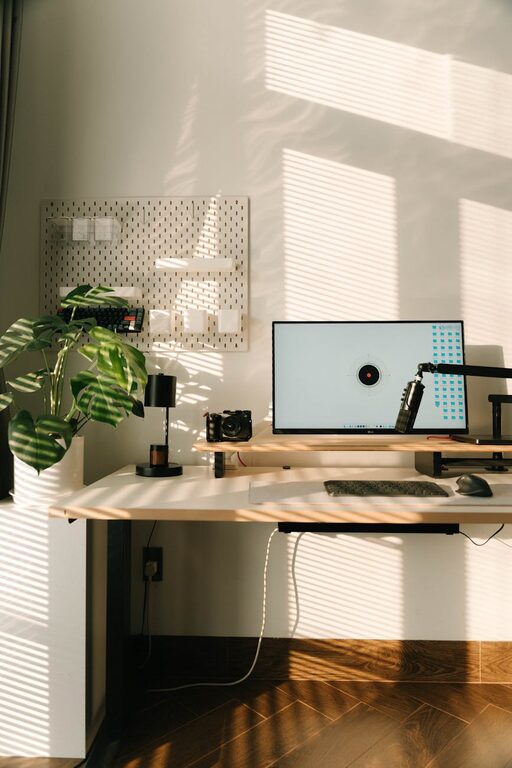
Creating a home office that is both cozy and functional can greatly improve your work-from-home experience. Whether you have a dedicated room or just a corner, designing a space that feels comfortable while supporting productivity is key. In this guide, we’ll walk through simple and effective tips to help you build a home office tailored to your needs.
Why a Cozy and Functional Home Office Matters
Working from home has become common for many people. An office space that balances comfort with practicality can reduce stress, enhance focus, and make your workdays more enjoyable. Comfort helps you stay relaxed, and functionality ensures you have everything you need within reach.
Choosing the Right Location
Find a Quiet Spot
Pick a location with minimal distractions. Ideally, a quieter area in your home will help you concentrate better. If space is limited, consider using noise-canceling headphones or room dividers.
Consider Natural Light
Natural light boosts mood and reduces eye strain. Set your desk near a window if possible. If natural light is limited, invest in good quality, adjustable task lighting to brighten your workspace.
Comfortable and Supportive Furniture
Invest in an Ergonomic Chair
A good chair supports your back and encourages good posture. Look for adjustable height, lumbar support, and comfortable padding to keep you comfortable during long work sessions.
Choose the Right Desk
The desk should be the right height for you to sit comfortably with your arms at a 90-degree angle. If space allows, a desk with built-in storage can help keep your workspace tidy.
Organizing Your Supplies and Equipment
Keep Essentials Within Reach
Use desk organizers, shelves, or drawers to keep pens, notebooks, and other essential items close by. This reduces clutter and prevents distractions.
Manage Cables and Electronics
Use cable clips or sleeves to keep cords orderly and prevent tangling. Designate spaces for your computer, printer, and chargers to keep your desk neat.
Personalizing Your Space
Add Comfort with Textiles
Soft cushions, a cozy rug, or a throw blanket can make your office feel inviting. These elements add softness and warmth to the space.
Include Greenery
A few plants can freshen the air and create a calming atmosphere. Choose low-maintenance plants like succulents or snake plants if you’re new to plant care.
Lighting Tips for Function and Comfort
Use Layered Lighting
Combine natural light, overhead lights, and task lighting to create a well-lit workspace. This reduces eye strain and helps you focus.
Avoid Glare
Position screens and lights to minimize reflections on your computer to prevent discomfort and headaches.
Enhancing Productivity and Well-being
Set Boundaries
Clearly define your workspace so you can mentally separate work from personal life. This might include closing a door or using a room divider.
Incorporate Break Areas
If possible, create a small, separate area to relax during breaks. A comfortable chair or a spot by the window can help you recharge.
Keep a Consistent Schedule
Arrange your workspace to encourage a routine. Having a dedicated, organized area helps you switch into “work mode” more easily.
Maintaining Your Home Office
Regular Decluttering
Schedule time weekly to tidy and reorganize. A clean space helps reduce stress and keeps you focused.
Update and Refresh
Periodically refresh décor and storage to keep your space inspiring. Small changes can make a big difference in your comfort and motivation.
—
Designing a cozy and functional home office doesn’t require a large budget or a lot of space. With thoughtful choices about location, furniture, organization, and personal touches, you can create a workspace that feels good and supports your best work. Start with these tips, and tailor your home office to fit your lifestyle and preferences for the best results.