

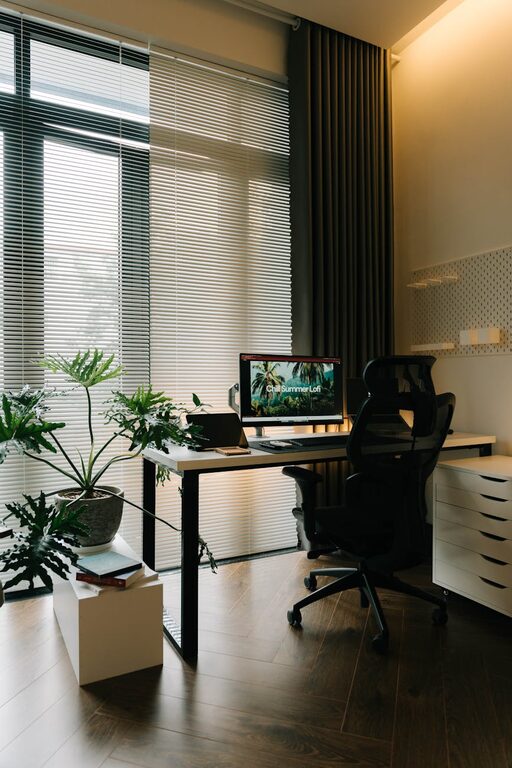
Creating a cozy home office is more than just choosing a nice desk and chair. It’s about designing a space that supports your work habits while also making you feel comfortable and motivated throughout the day. Whether you work remotely full-time or occasionally need a quiet spot for tasks, a thoughtfully arranged home office can make a big difference in productivity and overall well-being.
In this post, we’ll explore practical tips for transforming any corner of your home into a cozy workspace that inspires focus and comfort.
Why a Cozy Home Office Matters
When your workspace is inviting and functional, it’s easier to maintain concentration and enjoy your workday. A cozy office can help reduce stress, prevent burnout, and even boost creativity. Since many people spend hours at their desks, comfort is key to sustaining energy and productivity.
1. Choose the Right Location
Start by picking a spot in your home that is quiet and has minimal distractions. Natural light is a huge plus, so consider a room or nook near a window. If your space is limited, even a small corner with proper lighting can work.
Tips for Choosing Location:
– Avoid high-traffic areas or noisy spots.
– Face your desk toward a window if possible to get daylight.
– Use room dividers or shelves to create separation in open rooms.
2. Invest in Comfortable Furniture
Your chair and desk are the foundation of a comfortable office. Selecting ergonomic furniture helps prevent aches and keeps you comfortable for long periods.
Furniture Tips:
– Choose an adjustable chair that supports your lower back.
– Select a desk at a height that allows your arms to rest at about a 90-degree angle while typing.
– Consider a standing desk or desk converter to alternate between sitting and standing.
3. Optimize Lighting
Good lighting reduces eye strain and sets the mood for working. Combine natural light with layered lighting options to suit different times of day and tasks.
How to Light Your Office:
– Position your desk near windows for natural daylight.
– Use a desk lamp with adjustable brightness and color temperature.
– Add soft overhead lighting or floor lamps to avoid harsh shadows.
4. Personalize Your Space
Adding personal touches can make your office feel welcoming and inspire you during work hours.
Ideas to Personalize:
– Display photos, art, or motivational quotes that you enjoy.
– Incorporate plants to add greenery and improve air quality.
– Choose colors that calm you or boost energy, such as soft blues, greens, or warm neutrals.
5. Keep Your Space Organized
Clutter can distract and stress you out. Organizing your supplies and paperwork helps you maintain focus and streamline your workflow.
Organization Strategies:
– Use shelves, drawer organizers, or baskets to store items.
– Keep frequently used supplies within arm’s reach.
– Digitize documents to reduce paper piles.
6. Control Noise and Distractions
If noise is an issue, take steps to create a quieter environment or mask background sounds.
Noise Management Tips:
– Use noise-canceling headphones or earplugs.
– Add soft textiles like rugs, curtains, and cushions to absorb sound.
– Use a white noise machine or app to provide gentle, consistent background noise.
7. Incorporate Relaxation Spaces
Including a small area for breaks within or near your home office encourages rest and prevents burnout.
Relaxation Ideas:
– Add a comfortable chair or small couch for reading or stretching.
– Keep a water bottle or tea nearby to stay hydrated.
– Use scent diffusers or candles with calming aromas.
8. Maintain Good Air Quality
A fresh environment improves focus and reduces fatigue.
Tips for Air Quality:
– Open windows regularly to let in fresh air.
– Use an air purifier if needed.
– Choose indoor plants known for air purification, like spider plants or snake plants.
9. Set Boundaries for Work Hours
Especially when working from home, setting clear work hours helps you stay productive and maintain a healthy work-life balance.
How to Set Boundaries:
– Use a dedicated workspace to signal “work mode.”
– Turn off work notifications outside of work hours.
– Establish a routine to start and finish your day consciously.
Final Thoughts
Designing a cozy home office is a personal process that blends function with comfort. By paying attention to location, furniture, lighting, and organization, you create a space that not only meets your work needs but also makes you feel good throughout the day. Remember to personalize your area and take care of your physical and mental well-being for the best results.
Try implementing a few of these tips and watch your productivity and comfort improve in your new cozy workspace!